
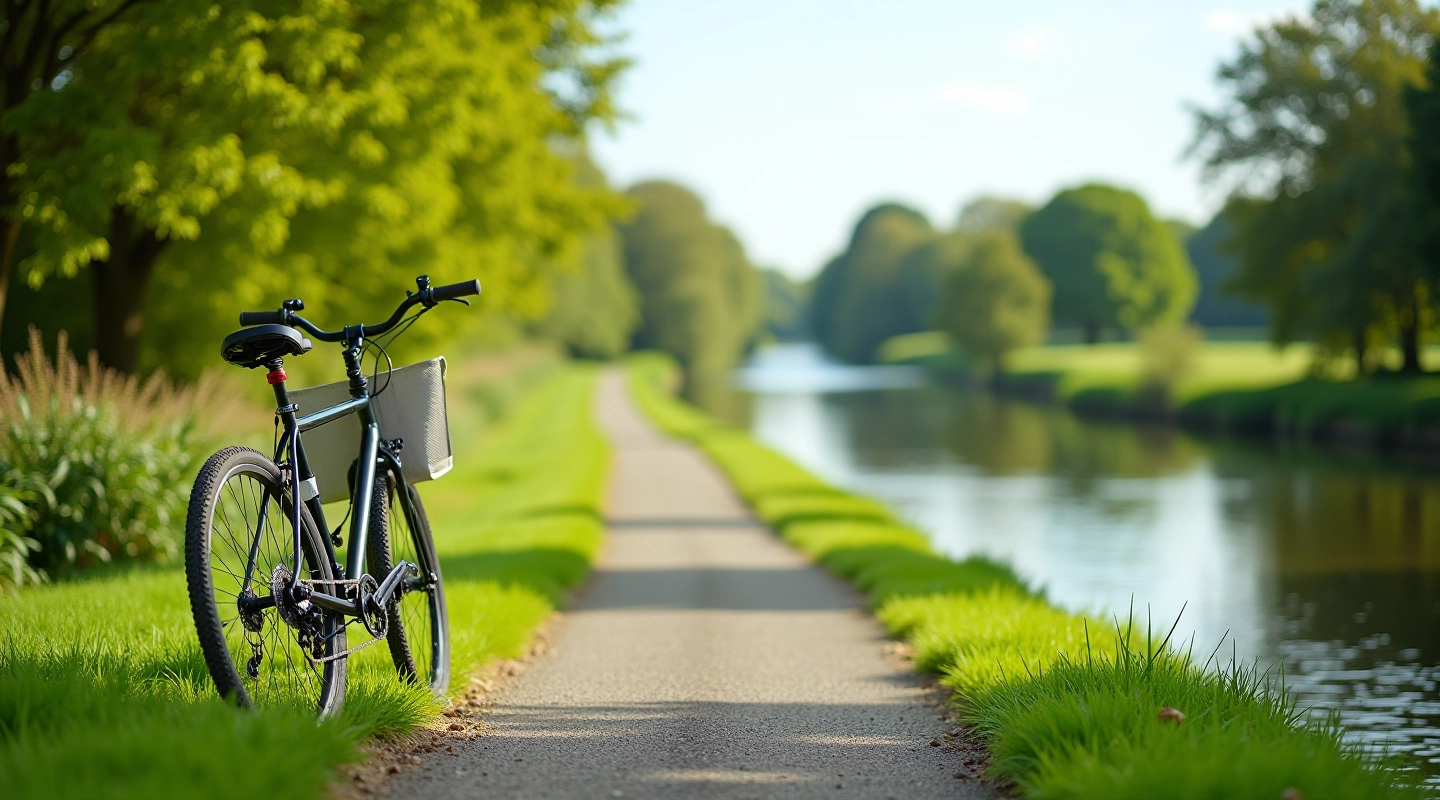
Getting Started on the Barrow Line Towpath
Everything you need to know before your first ride — route basics, access points, and what to expect on the Barrow Line.
Pre-ride checklist, seasonal maintenance tips, and safety gear recommendations for comfortable cycling along waterway routes year-round.
Editorial Team
Written by the Barrow Line Editorial Team, providing practical, honest guides to river navigation and cycling routes for older adults in Kildare.
Towpath cycling is one of the best ways to stay active outdoors. But it's only enjoyable when your bike's in good shape. We're not talking about complicated mechanical work — just the basics that take 10 minutes and make a real difference.
A well-maintained bike rides smoother, feels safer, and lasts longer. Whether you're heading out on the Barrow Line or any local route, these checks and maintenance tips will keep you confident on the path. The good news? Most of this you can do yourself with basic tools.
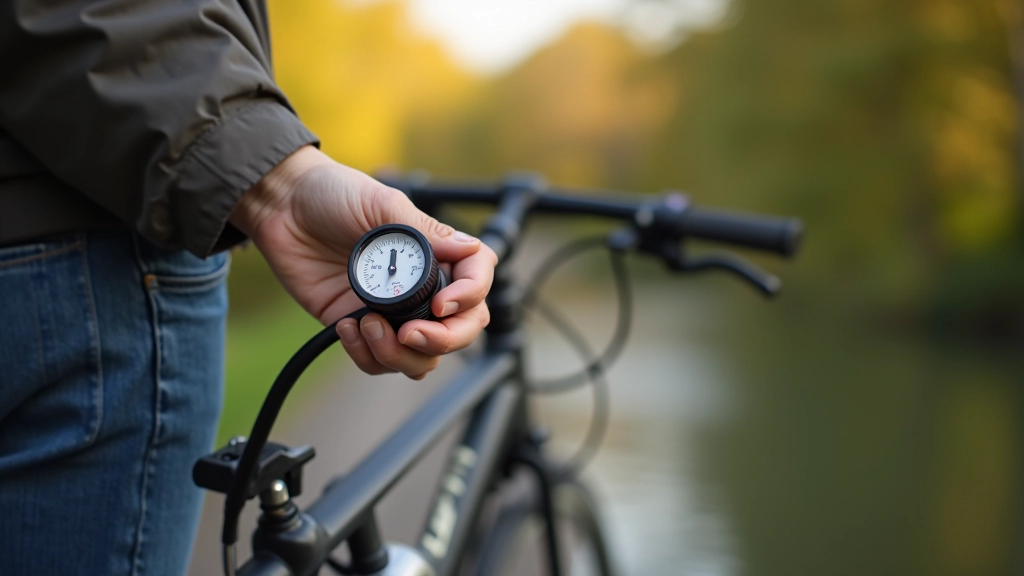
Your tires are the only part touching the ground. Get them wrong, and nothing else matters. Check pressure every two weeks — a pump with a gauge makes this easy. Most hybrid and road bikes need 80-100 PSI, while mountain bikes need 40-60 PSI. Check your tire sidewall for the correct range.
Look for cuts, splits, or worn tread. Towpaths have stones and debris that can damage tires. If you see the casing showing through the rubber, it's time to replace them. And don't ignore slow leaks — they get worse. A good quality pump with a pressure gauge costs about the same as two café coffees and saves endless frustration.
Tip: Check tires before every ride. It takes 30 seconds and prevents 90% of tire-related problems on towpaths.
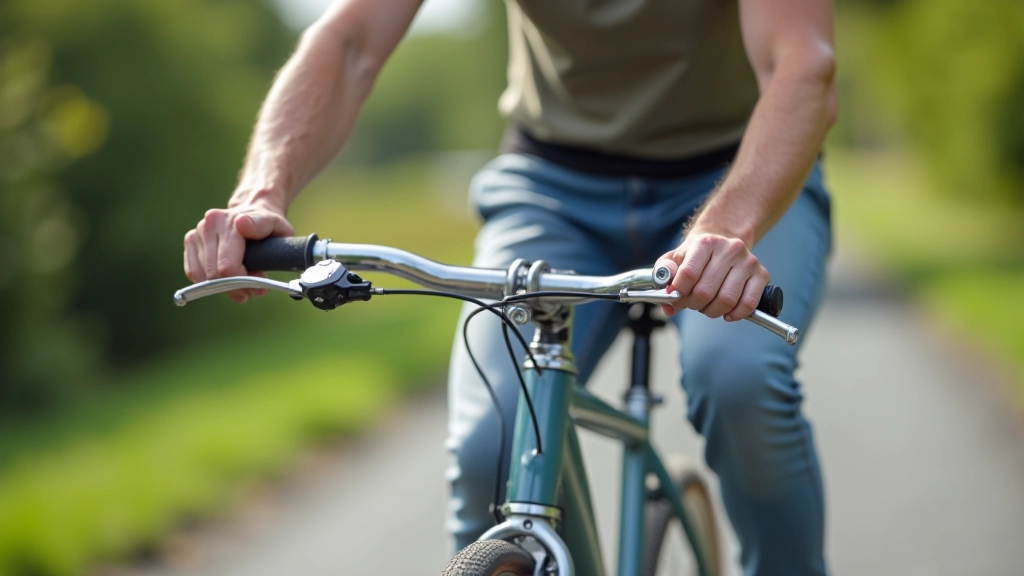
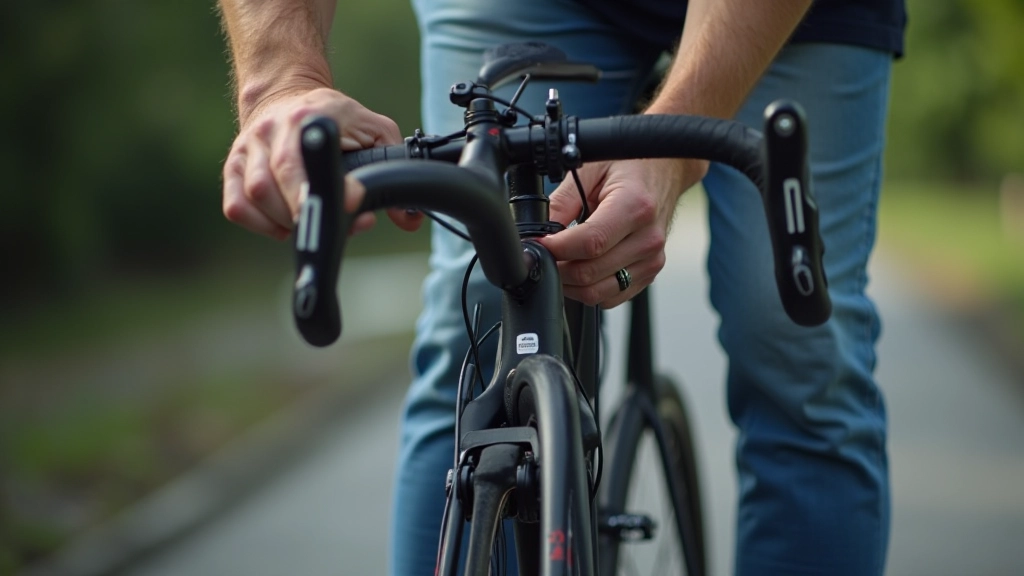
Good brakes aren't a luxury — they're essential. Squeeze both brake levers firmly. Your bike should stop quickly without the levers hitting the handlebars. If the levers feel spongy or pull too far, something's wrong. It's usually air in the lines or worn pads.
Look at the brake pads themselves. If they're thinner than a coin or worn unevenly, replace them. Disc brakes need the same attention as rim brakes. Check that the wheel spins freely without rubbing. Towpaths can be muddy in winter, so clean brake rims or rotors regularly with a cloth and water.
Don't ignore brake squealing — it's usually just dirty rims, but sometimes it signals worn pads. A quick inspection takes two minutes and prevents accidents.
A clean chain is a happy chain. Spin the pedals backward slowly and look at the chain. It should shine, not be covered in dark gunk. If it's dirty, use an old rag to wipe it. Then apply chain lube — just a small amount on each link as you spin backward. Wipe off excess with a rag. Too much lube attracts dirt, so less is more.
Test gear shifting by spinning the pedals gently and clicking through all gears. Each shift should be smooth and quick. If it hesitates, grinds, or skips, the cables might need adjusting. This is one job worth taking to a bike shop if you're not confident — proper cable tension takes practice.
Chain wear is real. Over time, chains stretch and wear out sprockets. A worn chain makes shifting sluggish and damages your bike. If your chain feels stiff or skips teeth, it's time to replace it. Most chains last 2,000-3,000 miles before needing replacement.
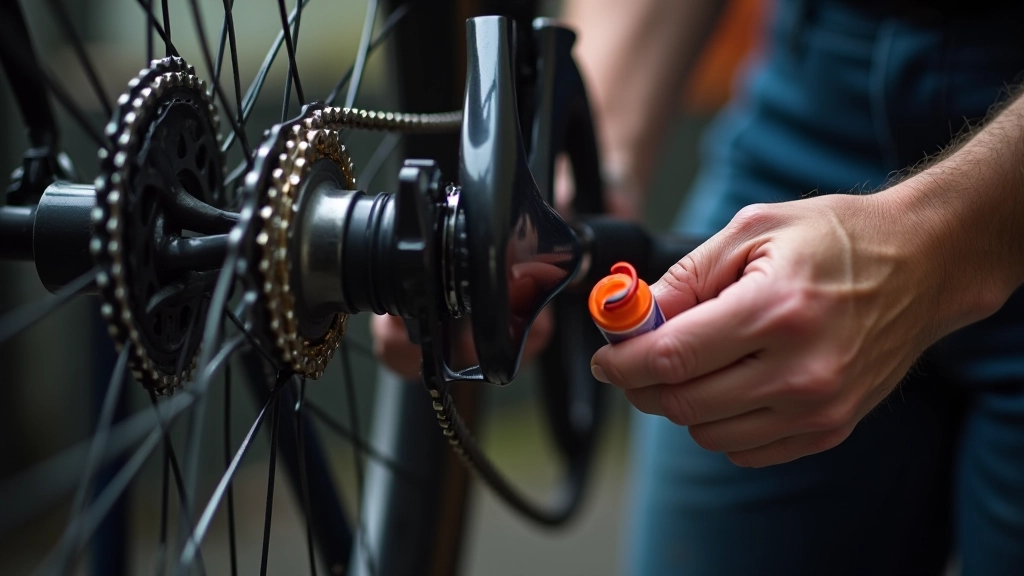
Winter leaves bikes muddy and damp. Give everything a good wash with water and an old brush. Check for rust on the frame, gears, and chain. Lube the chain and derailleur after cleaning. Test all brakes and gears after winter storage.
Summer brings heat and dry conditions. Check tire pressure weekly — heat makes air expand and tires lose pressure. Watch for cracked rubber from sun exposure. Keep the chain lightly lubricated in dry weather. A clean bike runs better and you'll spot problems quicker.
Wet and muddy conditions are hardest on bikes. Clean your bike weekly to prevent corrosion. Use wet-weather chain lube — it sticks better in damp conditions. Check brakes frequently as mud reduces stopping power. Salt on paths in winter corrodes metal quickly.
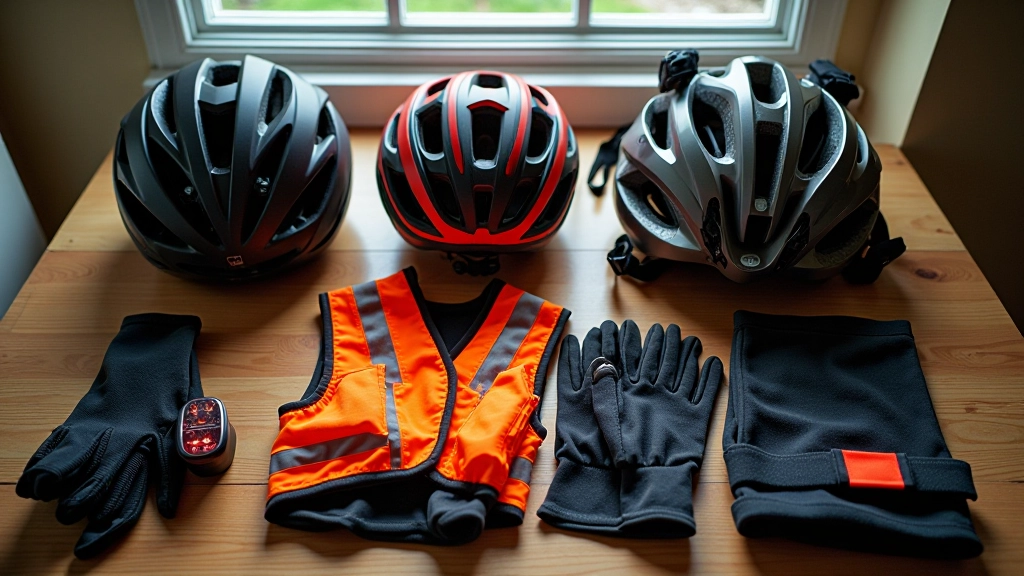
A helmet isn't optional — it's the most important thing you'll buy. Wear it every time. Make sure it fits snugly, level on your head, not tilted back. Replace helmets after any crash, even if they look fine. Damage isn't always visible inside.
Lights matter on towpaths. Even during the day, a front light helps walkers and other cyclists see you. A rear light is essential for evening rides. Battery-powered lights are inexpensive and reliable. Test them before each ride to make sure they're working.
Bright clothing or reflective gear helps too. You don't need to look like a neon sign, but wearing light colors and avoiding dark clothing in low light makes sense. Gloves protect your hands if you fall. Padded shorts or chamois make longer rides comfortable. Invest in a good pair — your backside will thank you.
You don't need a full workshop to maintain your bike. These tools handle 90% of routine maintenance.
Essential for checking and adjusting tire pressure. A floor pump is easier than a hand pump and shows exact PSI.
Includes hex keys (allen keys) for adjusting almost everything. Most cost under €20 and last years.
Keeps your drivetrain running smoothly. Use dry lube in summer, wet lube in winter and wet conditions.
Old toothbrushes and cloth rags clean gears and brakes. Free and effective.
Keep one in your bag for emergencies. A puncture far from home is less stressful with a spare.
Plastic tools that help remove tires for repairs. Metal levers can damage rims.
Regular maintenance doesn't have to be complicated or time-consuming. Check your bike every two weeks. Clean it when it's dirty. Replace worn parts before they break. That's really it. A well-maintained bike is a pleasure to ride, and you'll notice problems early when they're cheap and easy to fix.
The Barrow Line and other towpaths are wonderful places to cycle. You'll get more enjoyment from every ride when you know your bike's in good shape. Start with the pre-ride checklist, build your basic tool kit, and don't hesitate to ask at a local bike shop if you're unsure about something. Most shops are happy to explain things and show you how to do simple maintenance yourself.
Your bike will reward you with smooth, reliable rides for years to come.
Choose activities that match your fitness level, check local conditions before travelling, and speak with your GP if you have health concerns before starting a new activity. This guide provides general information about bike maintenance — if you're unsure about any repair, a local bike shop can help.
Everything you need to know before your first ride — route basics, access points, and what to expect on the Barrow Line.
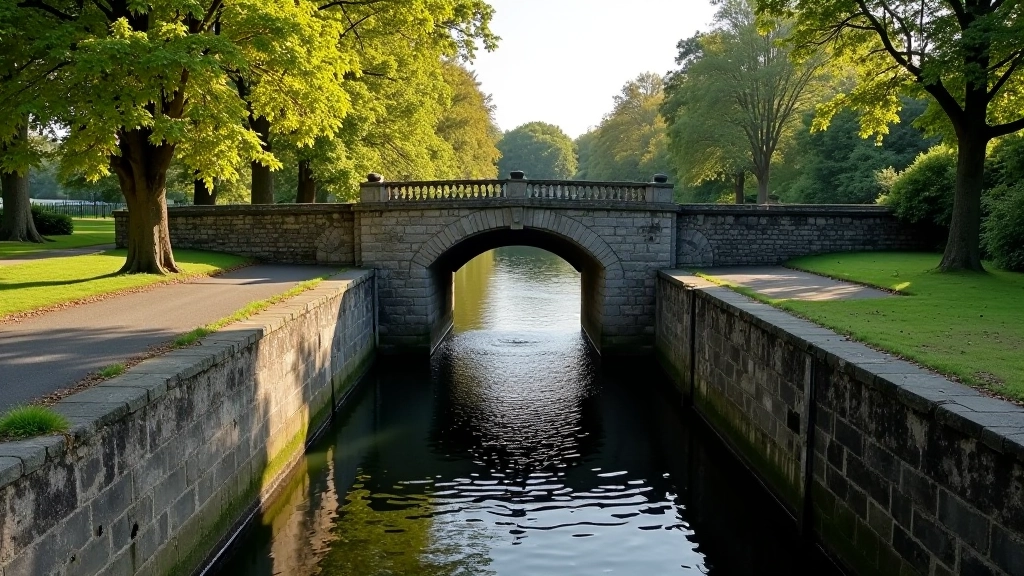
How lock systems work, safety procedures when cycling near locks, and what to expect around water features.
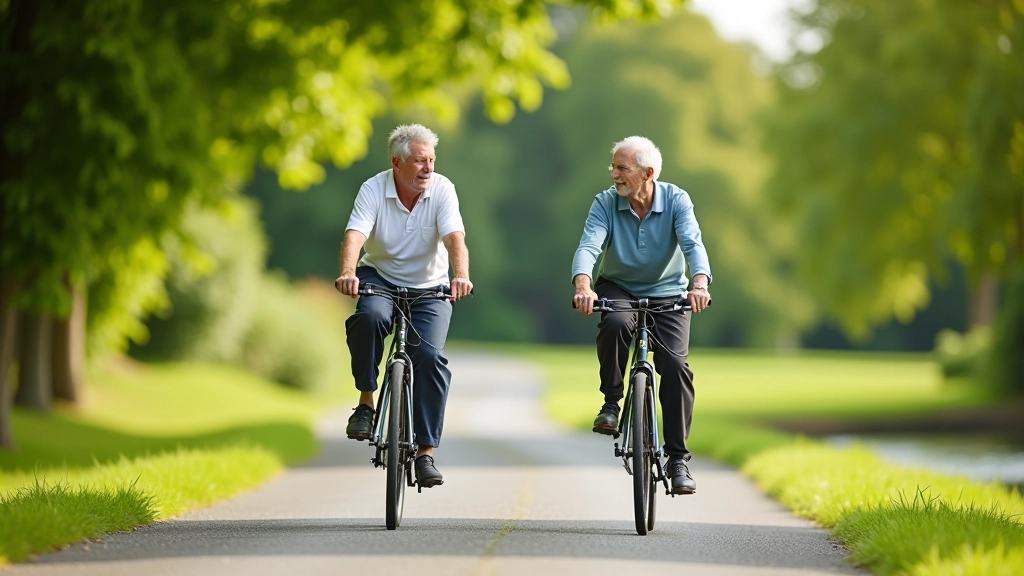
Gentle paced routes with rest stops, terrain details, and accessibility information for comfortable rides.