
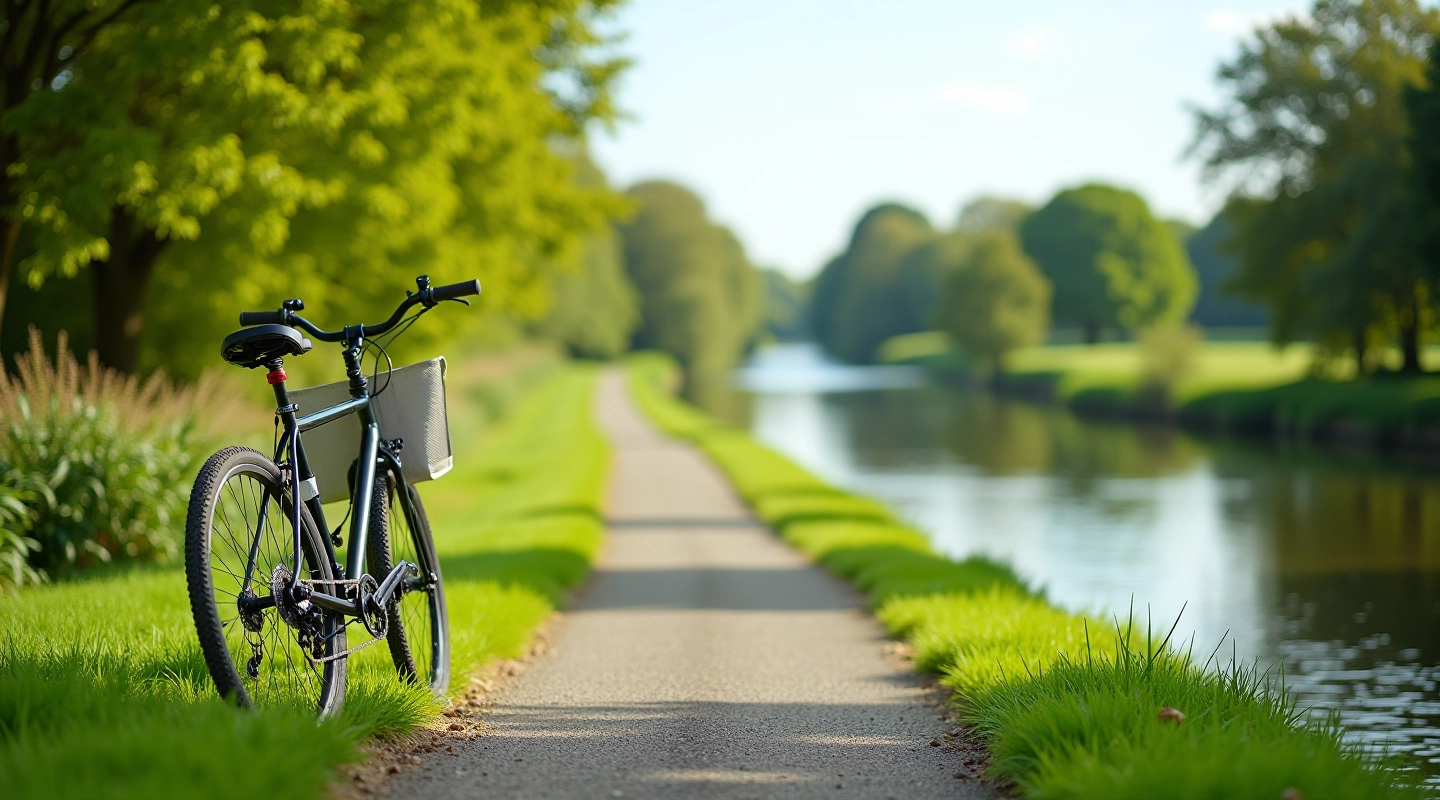
Getting Started on the Barrow Line Towpath
Everything you need to know before your first ride — route basics, access points, facilities, and what to bring for a comfortable cycling experience.
Learn how lock systems work, what to expect when cycling near them, and essential safety procedures for navigating the Athy route.
Editorial Team
Written by the Barrow Line Editorial Team, providing practical, honest guides to river navigation and cycling routes for older adults in Kildare.
Lock chambers are fascinating pieces of engineering that've been moving boats and managing water levels for centuries. When you're cycling along the Barrow Line towpath, you'll encounter several of these structures. They're not just interesting to look at — understanding how they work makes your ride safer and more enjoyable.
Most cyclists don't realize that locks operate on a strict schedule, and the areas around them can be unpredictable. Water levels change rapidly. Machinery is constantly in motion. If you don't know what's happening, you might accidentally wander into a dangerous zone or miss the best cycling route around the chamber. That's where this guide comes in.
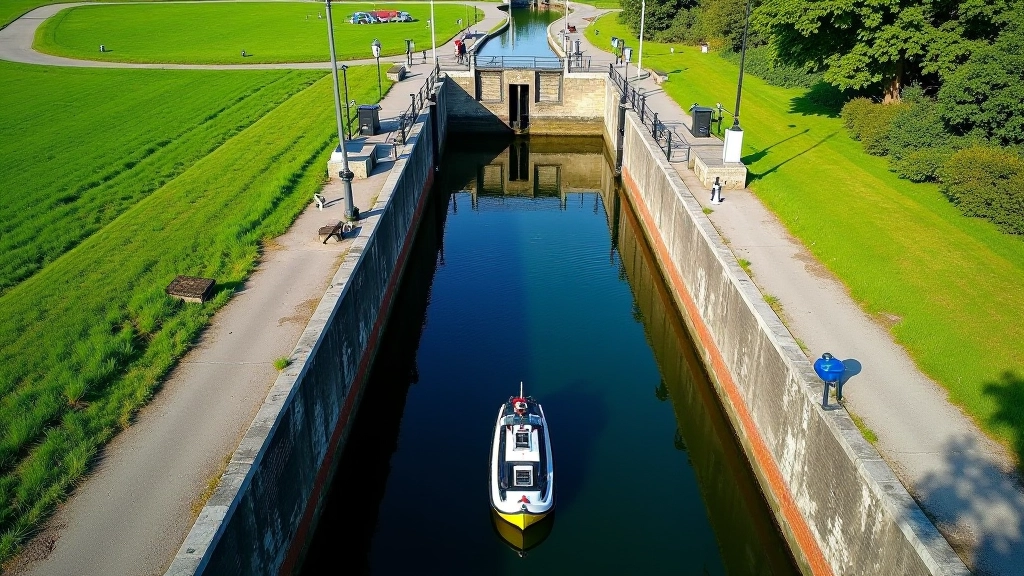
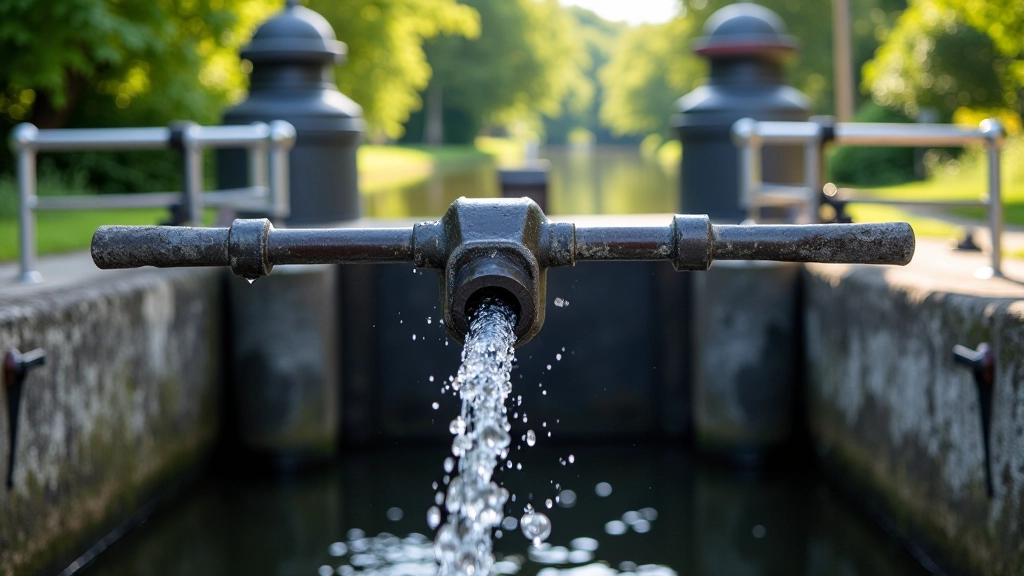
A lock is basically a water elevator. It's got two sets of gates — one upstream, one downstream — and a chamber in between. When a boat needs to move up or down the water level, the lock fills or empties to match the water on the other side.
Here's the simple version: boat enters, gates close behind it, water flows in or out, and the boat rises or falls. Then the front gates open and the boat continues. The whole process takes about 20-30 minutes depending on the lock and water conditions.
As a cyclist, you don't need to operate the lock. But knowing these basics helps you understand why certain areas are restricted and why timing matters.
The most important thing to remember: you're not alone in that space. Lock keepers, boat operators, and other cyclists share the area. That's why there are rules — they're not meant to slow you down, they're meant to keep everyone safe.
The towpath has marked sections. Don't wander toward the lock chamber itself unless you're supposed to be there. The ground around locks can be wet and slippery.
When a lock is operating, water can surge into or out of the chamber quickly. If you're cycling right next to the chamber edge, a sudden wave could knock you off balance.
If a lock keeper signals you to stop or wait, do it. They're managing multiple things and they know what's safe. You'll only wait a few minutes.
Lock areas can have shadows and uneven light, especially on cloudy days. A bright vest and working lights make sure everyone sees you.
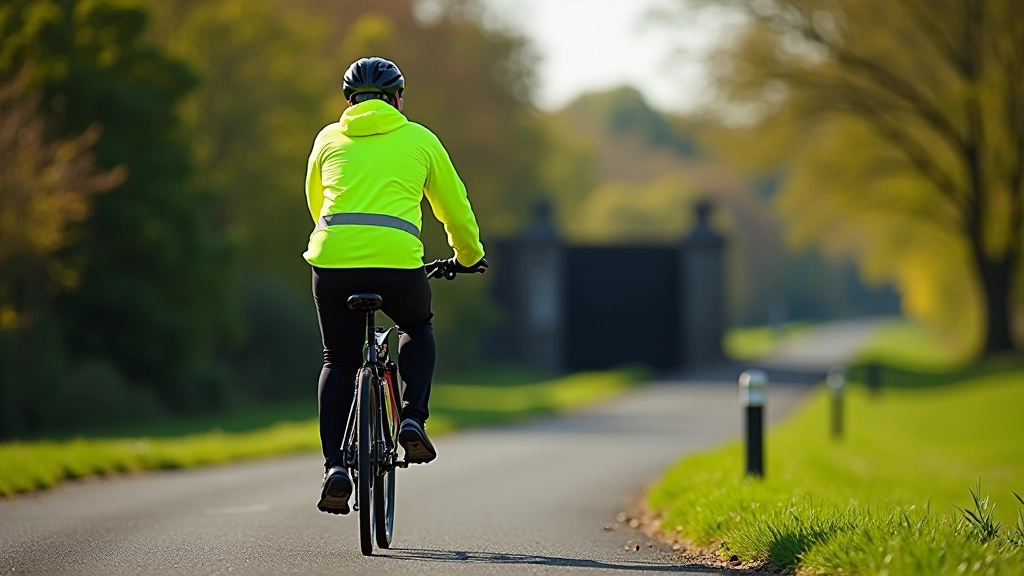
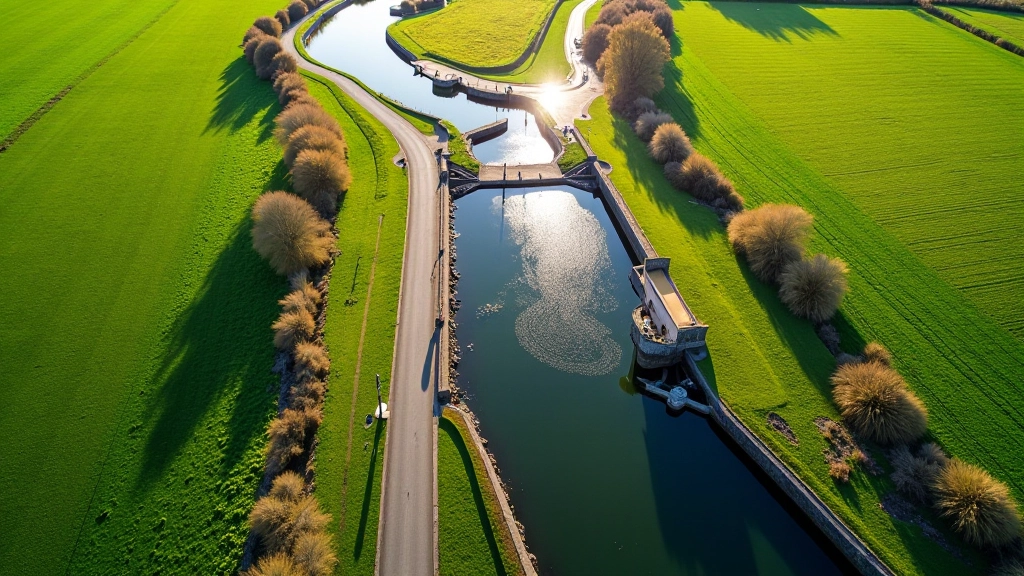
Most locks have a bypass route for cyclists. You won't cycle through the actual lock chamber — that's for boats. Instead, you'll follow a marked path that goes around the lock area. It's usually just 50-100 meters longer than the direct route.
At Athy Lock, the cycling route is clearly marked. You'll see signs well before you reach the chamber. Follow these signs rather than trying to find your own way. The marked route is designed to be both safe and scenic — you'll still get good views of the lock structure without being in the danger zone.
Look ahead: Lock signs appear about 200 meters before you reach the chamber. Don't assume you can ride straight through.
Follow painted markings: White arrows and painted lines on the towpath show the cycling route. Stick to these.
Ask the lock keeper: If you're unsure which way to go, the lock keeper will point you in the right direction. They're used to cyclists asking.
Your first time cycling past an operating lock might feel a bit overwhelming. There's machinery noise, water movement, and sometimes boat traffic. But it's actually quite organized. Here's what happens in sequence.
You'll hear the lock before you see it. There's a hum from the machinery and sometimes the sound of water. As you get closer, you'll see the gates and the chamber. Slow down slightly and be ready to stop if signaled.
If a boat is actively going through, the lock keeper might ask you to wait. This usually takes 20-30 minutes maximum. There's normally a small waiting area off to the side. Don't be frustrated — you're seeing something that's been moving boats for 200+ years.
When it's clear, follow the marked cycling path. Stay alert to your surroundings. Don't cycle too fast — you want time to react if conditions change. The bypass route is usually quite pleasant.
Once you're past the lock area, you'll rejoin the main towpath. The route opens up again and you can return to a normal pace.
Most cyclists find the experience quite interesting after the first time. You're cycling through a working piece of infrastructure, and once you understand how it functions, it becomes less intimidating and more fascinating.
Lock chambers aren't obstacles — they're part of what makes the Barrow Line route special. You're cycling past genuine historic infrastructure that's still working exactly as it was designed to work. Understanding how they function and respecting the safety guidelines means you'll have a smoother, more enjoyable ride.
Take your time when you first approach a lock. Watch how it operates. Talk to the lock keeper if you're curious — they generally don't mind explaining things to cyclists. And remember: the rules aren't there to ruin your ride. They're there to keep everyone safe, including you.
Choose cycling routes that match your fitness level and experience. Check local conditions and lock operating schedules before you travel. Always follow safety instructions from lock keepers and other officials. If you have any health concerns or physical limitations, speak with your GP before starting this activity.
Expand your knowledge with these guides about the Barrow Line and cycling in Kildare
Everything you need to know before your first ride — route basics, access points, facilities, and what to bring for a comfortable cycling experience.
Gentle paced routes with rest stops, terrain details, and accessibility information. Perfect for riders looking for scenic cycling without the intensity.
Pre-ride checklist, seasonal maintenance tips, and safety gear recommendations for comfortable and confident cycling on the towpath.